Founded by American Vet Dr Marty Becker in 2016, the Fear Free movement has one core mission: to prevent and alleviate fear, anxiety and stress in pets by educating and inspiring those who care for them. The benefits of a Fear Free approach for both pets and those caring for them are increasingly being recognised, and the philosophy is being embraced by veterinary practices and animal welfare organisations worldwide.
Helping pets remain calm at each stage of veterinary care facilitates more effective treatment in both the short and long-term. But while the impact on veterinary patients can be substantial, the benefits of Fear-Free care aren’t limited to pets. The combination of a soothing environment and seeing their beloved pet having a calmer, more relaxed experience helps to reassure owners that their pets are in safe hands.
More trust from owners can improve engagement with treatment recommendations and improve staff satisfaction – driving improved business performance, too.
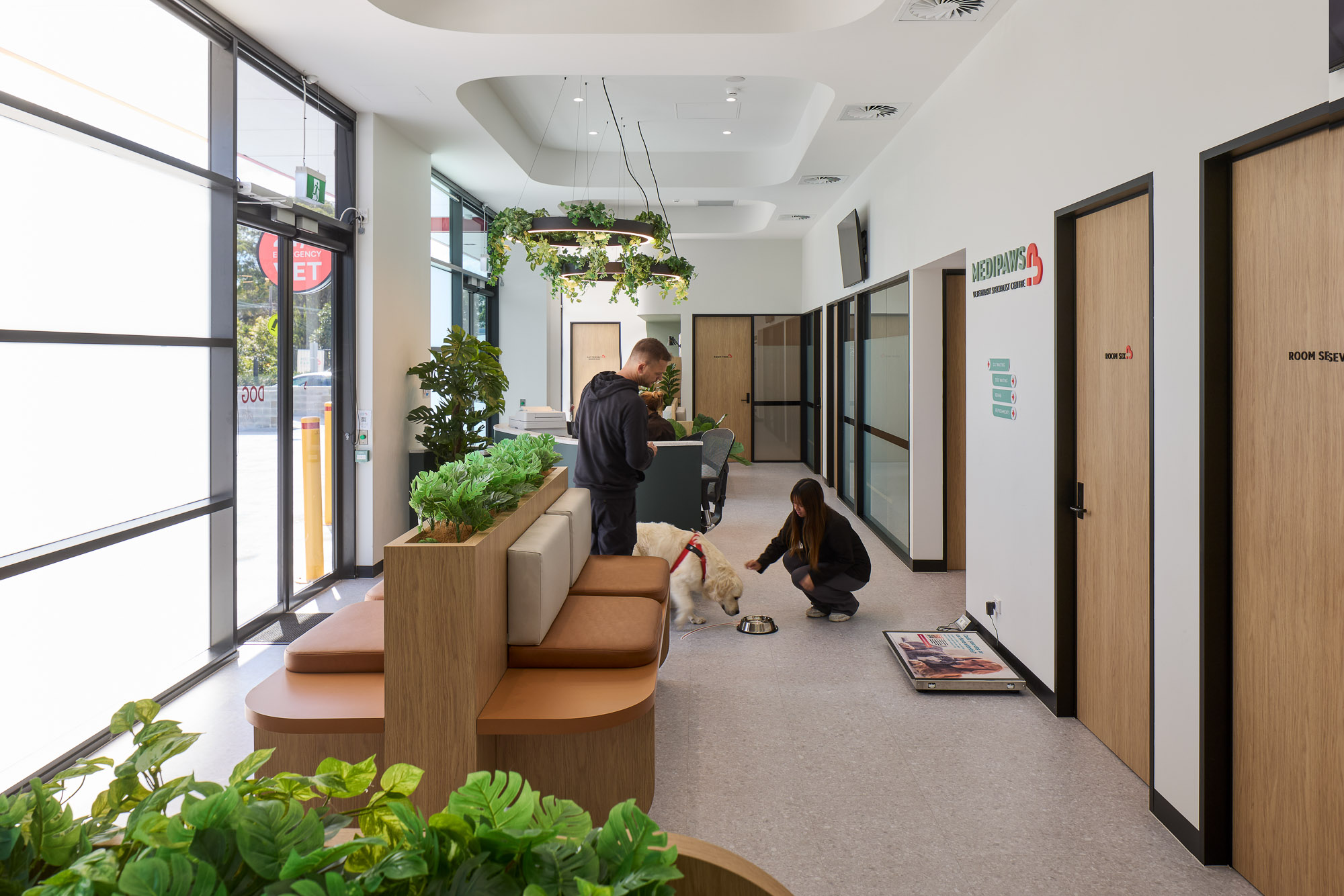
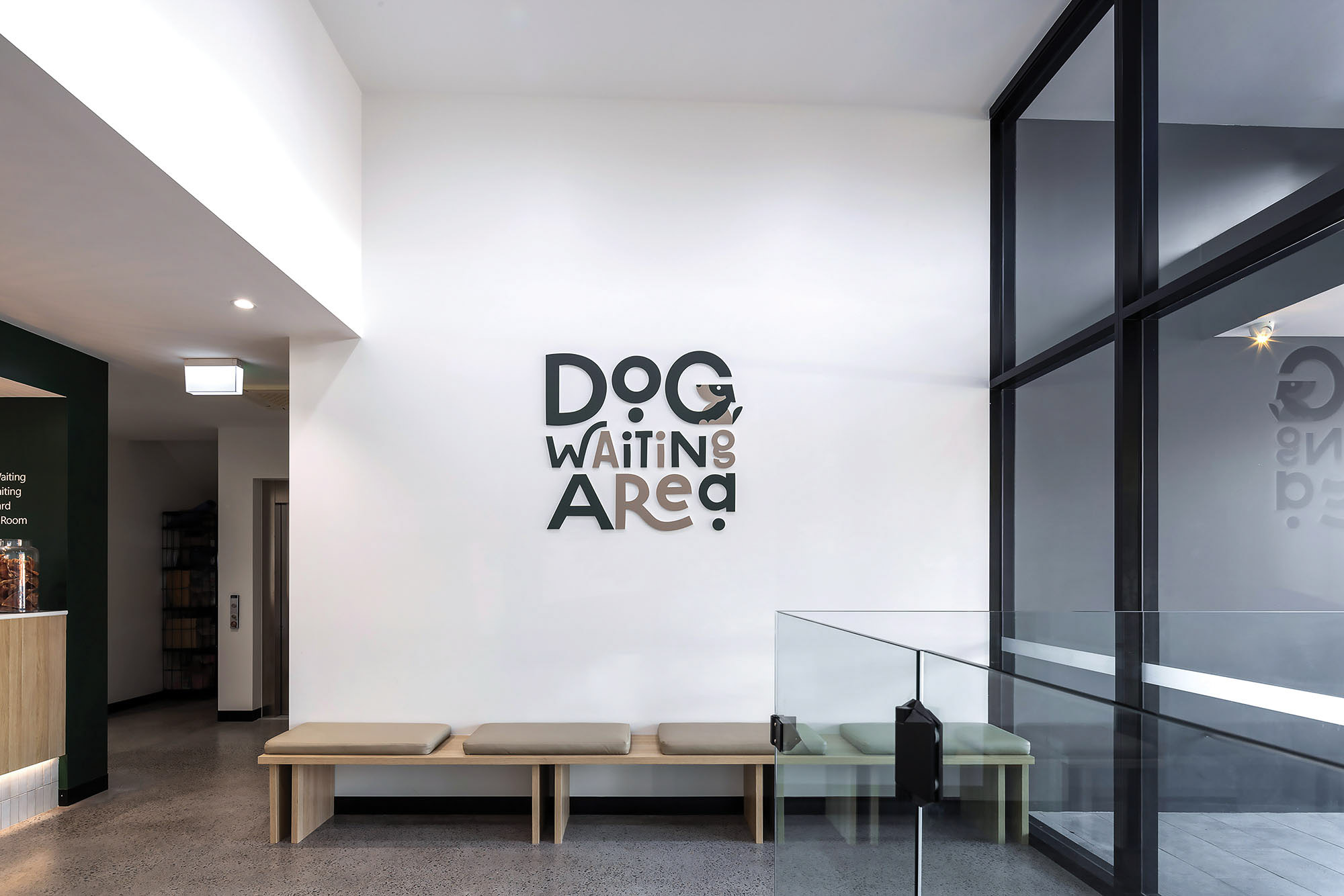
However, while both professionals and pet owners are increasingly keen to see Fear Free approaches incorporated into pets’ care, their efforts can be hampered by poor design.
In the past, veterinary and animal care facilities were planned primarily with factors such as hygiene and efficient workflows in mind. While these are crucial considerations, these designs often fail to factor in the impact design choices can have on pets’ emotional state.